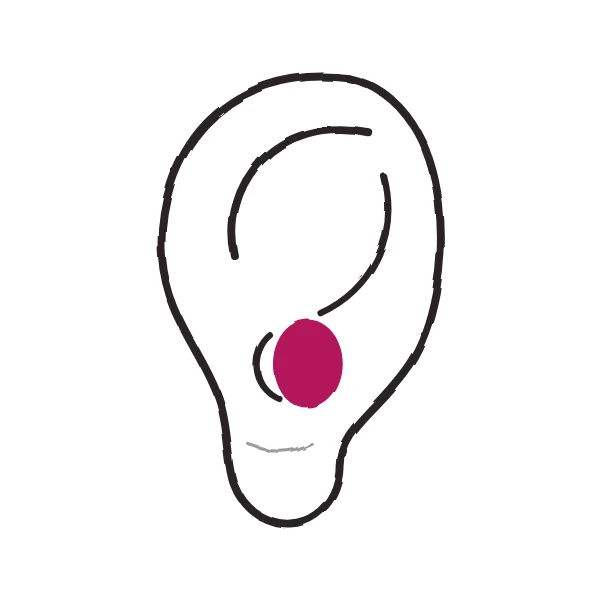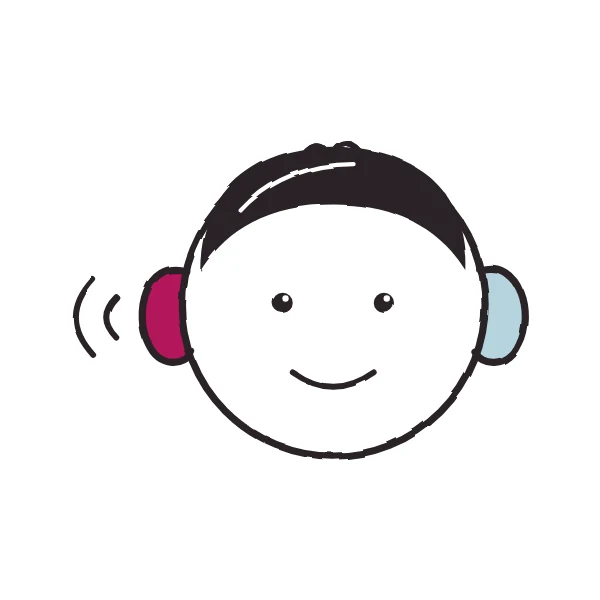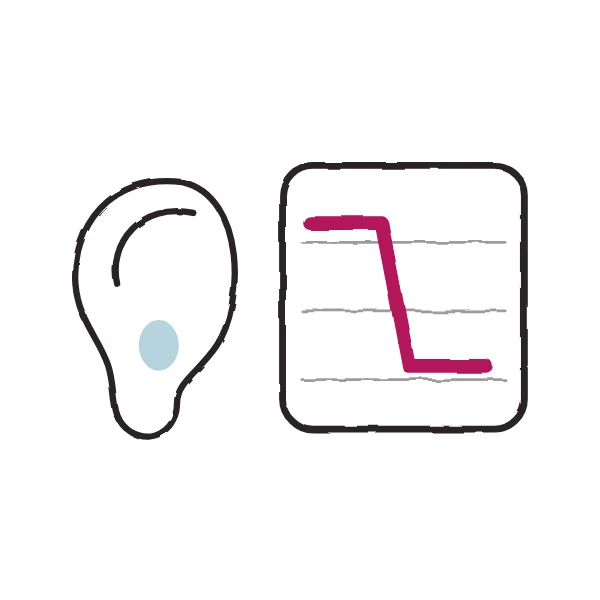

In short: sudden sensorineural hearing loss usually affects one ear and may have no identifiable cause. Pressure, tinnitus and sometimes dizziness can accompany it. Arrange assessment if possible within the next one to two days. Even an ear that simply feels blocked should not be observed for weeks. An examination is needed to establish the cause. Dr. Vyrva is an English-speaking ENT specialist in Vienna.
Step 1
Why does prompt assessment matter?
Hearing loss has several possible causes. Ear wax or fluid in the middle ear can feel similar to an inner-ear problem. These causes need to be distinguished before discussing treatment.
Contact an ENT practice promptly and explain when the change began. Have suddenly poorer hearing examined if possible within the next one to two days. Treatment, if any, is started in the first few days; after more than two weeks the options are considerably fewer. If timely assessment is unavailable, contact a hospital ENT department.
Step 2
When do I need emergency help?
Don't wait if …
- Sudden hearing loss with severe vertigo and additional speech disturbance, weakness or paralysis, facial drooping, vision problems or severe headache: call 144 immediately.
- Sudden hearing loss after a head injury requires urgent hospital assessment. Call 144 if symptoms are severe or safe transport is uncertain.
Step 3
How is hearing examined?

The consultation covers onset, the affected side, associated symptoms, noise exposure and medicines. Assessment includes an ENT examination with ear microscopy and a hearing test (audiometry). Tympanometry helps assess middle-ear function.
The findings help distinguish problems conducting sound from sensorineural hearing loss. As a rule, you will be referred for magnetic resonance imaging (MRI) to rule out rare causes such as an acoustic neuroma. Neurological warning signs lead to referral for neurological assessment or hospital care. Further assessment depends on the symptoms and findings.
Step 4
What treatment may be considered?

Options are discussed individually, considering the findings, degree of hearing loss, other medical conditions and possible risks. Corticosteroid treatment is often discussed, but evidence for its benefit is limited. Spontaneous improvement is also possible.
The need for treatment and follow-up hearing tests is discussed after examination. Sick leave (Krankenstand) may be appropriate if dizziness or impaired hearing affects your ability to work; this depends on symptoms and occupational demands.
Step 5
What can I do myself?
Avoid loud noise and high headphone volumes. Do not delay assessment just because there is no pain. Do not put cotton buds into the ear canal or try to clear an apparently blocked ear yourself.
Note when the hearing change started and whether other symptoms developed. Bring these details to the consultation; they support the discussion but cannot replace an ear examination or hearing test.
Appointments and fees
This is a private practice (Wahlarzt) without insurer contracts. You receive an invoice (Honorarnote) that you can submit to your health insurer to claim a partial refund.
A specific treatment outcome cannot be promised.
Frequently asked questions
Does a blocked ear always mean sudden sensorineural hearing loss?
No. Ear wax or middle-ear fluid can also reduce hearing. An ear examination and hearing test help distinguish the causes.
How quickly should I see an ENT?
If possible within the next one to two days, not weeks later. Call 144 immediately for associated neurological warning signs.
Do corticosteroids always help?
No. Treatment is discussed individually, and evidence for benefit is limited. Spontaneous improvement is also possible.
Can I get sick leave?
Sick leave may be appropriate depending on your symptoms and work requirements. This is discussed during assessment.
Can sudden hearing loss be diagnosed online?
No. A direct ear examination and hearing test are needed. Remote diagnosis is not offered.
Where is the practice?
Praterstraße 27/2, 1020 Vienna, near the U1 Nestroyplatz station.
Sharing helps.
Do you know someone with similar symptoms? This page may help them.